CRS Finance Solutions
To scale systems is to build processes that empower people.
I build custom automation for accounting firms. Owned outright, not rented as software.
Built to work alongside
01. Then, Now, Next
Then
Every leap in accounting technology has triggered the same fear. The adding machine did it in the 1880s. Excel did it again in 1987. Both times, accountants were told the job was going away.
Now
Neither prediction came true. The CPA Journal's own archives put the number of accountants in the US at 69,000 in 1960. By 2020, that had grown to 658,267 CPAs, nearly ten times over. The tools that were supposed to shrink the profession did the opposite.
Next
Automation is doing the same thing again. It takes repetitive data entry off people's desks, not the accounting itself. What's left is judgment, advice, and the client relationships that were always the actual job.
02. Where We Fit
What the platforms do well
QuickBooks, Sage, and Xero are excellent at standardized workflows. Millions of firms run on them, for good reason.
What they were never built for
They weren't built for the client who emails invoices as photos, or the process that only makes sense because of a decision made three years ago. That's not a flaw in the software. It was just never the job.
Where custom automation fits
Custom automation fills that gap. It works alongside the platforms you already run, not instead of them, built around how your firm actually operates.
03. Built, Not Just Recommended
Built, not just recommended.
Anyone can hand you a strategy document. This is the automation itself, live in your firm.
Built around your firm
Every automation is shaped around your tech stack and how your firm actually operates. It's fully modular, so you only get what you need, nothing you don't.
Project-based, not a subscription
You're quoted a fixed price for the project, not billed monthly for access. No ongoing contract to get out of if your needs change.
Owned outright
A one-time fee buys a digital asset, not a licence. What gets built is yours, and it keeps working for your firm long after the invoice is paid.
Documented and supported
Every system comes with plain-language documentation, and maintenance is available after handoff so it isn't left to run on its own.
04. AI
The fear is that AI takes the job.
Every accountant has heard some version of that warning. It's worth asking whether the same warning has been right before.
"The first rule of any technology used in a business is that automation applied to an efficient operation will magnify the efficiency. The second is that automation applied to an inefficient operation will magnify the inefficiency."
Bill Gates, Business at the Speed of Thought (1999)
69,000 → 658,267
US accountants, 1960 to 2020. The same fear, twice before, both times wrong.
AI doesn't remove the accountant. It removes the parts of the job nobody enjoyed doing in the first place.
05. How We Work
From first call to next system.
A straightforward process, start to finish.
01
Initial call
A first conversation about the problems you're actually facing in the business. No pitch, just a straightforward, tailored conversation to see if there's a fit.
02
Discovery call
A closer look at your business: the tools you run, the process behind them, and the numbers that matter, so we understand exactly what we'd be building.
03
Proposal
A written agreement covering pricing, project outline, expected delivery timeline, and terms, sent over for you to review and sign off on.
04
Onboarding
A call to line up what we need from you: access, systems, and any accounts you'll need to set up, before any building starts.
05
Delivery
The automation gets built, tested against your real data, and handed over working alongside what you already run, documented clearly so it doesn't depend on us to keep going.
06
Next steps
Some firms stop here. Others move into an ongoing partnership, building future systems together as part of an extended team.
06. Founder
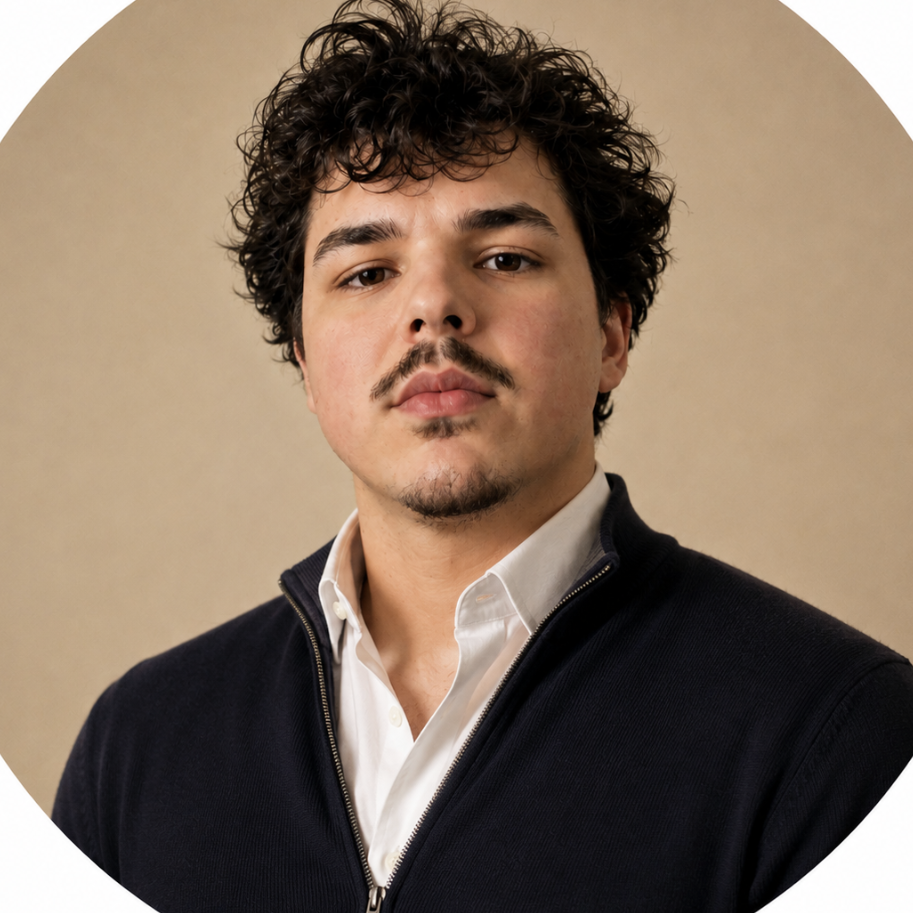
I didn't start in accounting. I started by building automation for driving schools, including L Pod Academy, the same school where I got my own driving licence, which is actually what got me interested in this kind of work in the first place. That's also where I got serious about coding, and where I ended up being mentored by Nick Saraev, who's since built a multi-million dollar automation education community and his own SaaS company, Clairvo.
I moved into accounting because it's one of those industries everything else quietly depends on, alongside real estate and law. It runs on process, and a lot of that process is repetitive work that doesn't need a person doing it by hand. Taking that work off people's plates so they can spend their time on what actually needs a human is the reason CRS Finance Solutions exists.